
Residents of Natipora raise the alarm over stray dogs
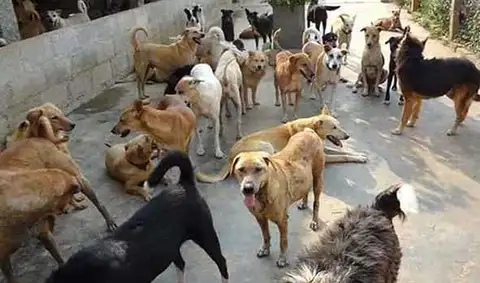
Srinagar, June 7: The growing menace of stray dogs in Natipora has become a major concern for residents, who say the unchecked increase in the canine population is posing serious risks to public safety and disrupting daily life.
Reports of this kind usually follow a pattern that municipal authorities recognise: complaints build through winter and early spring, when daylight hours are short and people are walking to school or work in the dark, and they tend to concentrate in neighbourhoods where waste collection is irregular. What residents describe is not one aggressive animal but packs, which behave differently from a lone dog and are far more intimidating to someone on foot.
Locals allege that packs of stray dogs can be seen roaming streets, lanes and residential areas throughout the day and night, creating fear among pedestrians, school-going children, elderly citizens and morning walkers. Residents claim that several dog-bite incidents have been reported in recent months, forcing many people to avoid certain routes, especially during early morning and evening hours.
Changing a route to avoid a dog is a small thing in isolation and a significant one when it becomes routine. It means children are walked to school rather than making the trip themselves, older residents stop going out at the times of day they prefer, and the people most affected by the loss of that freedom are the ones with the fewest alternatives.
According to residents, the situation has worsened in several localities of Natipora, where stray dogs often gather near marketplaces, garbage dumping spots and residential colonies. They say the animals frequently chase pedestrians, cyclists and two-wheeler riders, increasing the risk of accidents and injuries.
Chasing is the behaviour that turns a nuisance into a danger. A dog reacting to a cyclist or a motorcycle is unpredictable from the rider's seat, and swerving to avoid an animal on a road shared with traffic can cause a collision on its own. This is why complaints from residents so often name two-wheeler riders specifically rather than pedestrians alone.
Parents have expressed concern over the safety of children travelling to schools and tuition centres. Elderly residents and women, particularly those moving alone, say they often feel unsafe due to aggressive dog packs roaming freely in the area.
Locals believe that the presence of open garbage and food waste at various locations is contributing to the growing stray dog population. They have urged authorities to improve waste management practices alongside measures aimed at controlling the canine population.
The connection residents are making is the right one. A free-roaming dog population is sustained by whatever food is reliably available, and in urban neighbourhoods that is almost always refuse rather than anything the dogs hunt. An unfenced dumping spot or a market that leaves waste out overnight will hold a territory regardless of how many animals are removed from it, because new ones simply move in. Sterilisation without waste control tends to produce disappointing results for exactly this reason, which is why residents are asking for both at once.
Residents have appealed to the Srinagar Municipal Corporation (SMC) to intensify sterilisation and vaccination drives and deploy dedicated teams to address the issue on a priority basis. They have also sought regular monitoring of vulnerable areas where stray dog concentration is particularly high.
Sterilisation and anti-rabies vaccination are the two halves of the standard approach, and they work on different timescales. Vaccination reduces the risk from bites fairly quickly, since it protects the animals that are on the street now, while sterilisation only changes the population over several years because it prevents future litters rather than removing existing animals. Residents asking for both together are effectively asking for the immediate risk and the underlying cause to be addressed in parallel.
Community members stressed that while animal welfare remains important, public safety must also be ensured through effective and humane management of the stray dog population.
That framing matters because it is the position Indian law and court rulings have settled on: street dogs may not be culled or driven out, and population control is expected to run through catch-neuter-vaccinate-return programmes carried out by the municipal body. In practice that means the animals residents are complaining about are returned to the same streets after sterilisation, which is tolerable to a neighbourhood only if the programme is running at a scale people can see.
Calling for immediate intervention, residents urged the SMC and concerned departments to formulate a comprehensive strategy to tackle the problem before it escalates further. They said timely action would help restore a sense of security among people and prevent potential incidents in the densely populated locality.
A strategy of that kind also needs to say who people call. Where a municipal helpline or a dedicated team exists and is responsive, complaints get logged and hot spots get identified; where it does not, residents have no route other than press reports like this one, and the same localities tend to reappear in the news year after year.
Residents also have a part to play that is rarely spelled out in reports of this kind. Feeding stray dogs at a fixed spot, however kindly meant, holds animals in that spot and makes the territory more stable, and it is one of the few factors entirely within a neighbourhood's own control. The practical version of coexistence is usually deliberately dull: waste contained, feeding discouraged, and a sterilisation programme running steadily enough that the population stops growing.
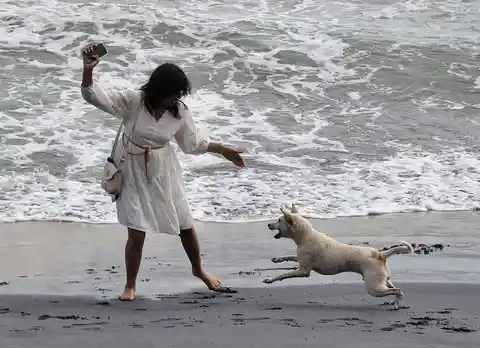
Thiruvananthapuram's stray dog relocation drive faces questions over transparency
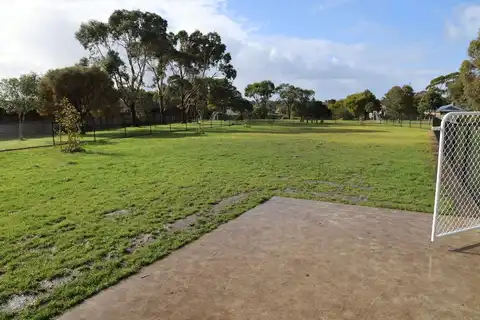
Rain shows up the flaws in Inverloch's dog park
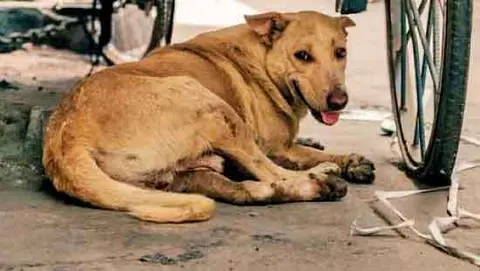
Fixing the street dog problem means working with animal welfare groups
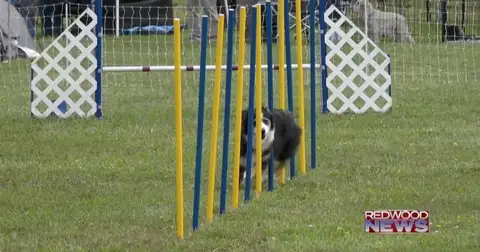
Dogs take over the fairgrounds for the Lost Coast Kennel Club show
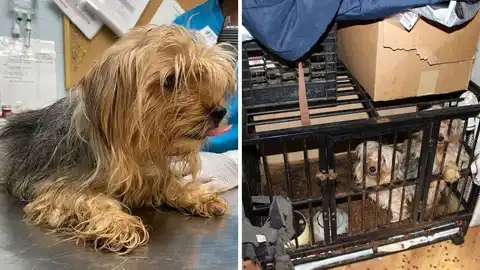
Ulster County SPCA shares a happy update on the Yorkie rescued from a breeding case

Meet Toffee, the husky-dalmatian mix who's also an escape artist