
Two older cats and a young one are waiting at the BC SPCA in qathet
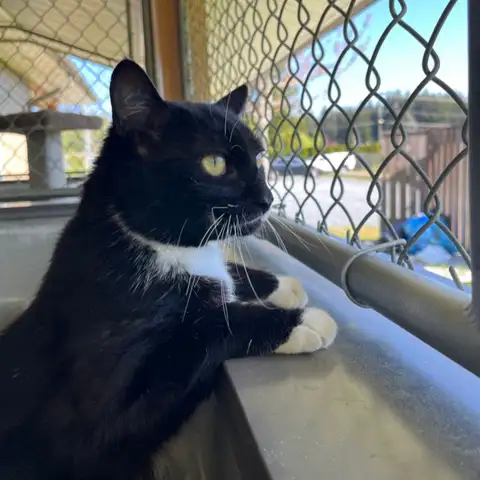
Two senior kitties named Coco and Saba, who happen to be mother and daughter, are waiting at the BC SPCA qathet animal care centre to be adopted into their forever homes.
Senior cats are consistently the hardest category to rehome. Shelters report that older animals wait longer than kittens or young adults, in part because adopters worry about shorter timeframes and higher veterinary costs, and in part because kittens are simply what people picture when they decide to adopt.
According to staff at BC SPCA, although Coco would likely be happiest as the only cat in the home, she would also happily head home with her daughter, Saba, who is also available for adoption.
A preference for a single-cat household is common in older cats that have not had to share territory for years, and shelters generally try to match the home to the cat rather than the other way round. Offering Coco and Saba together as an option makes sense for a mother and daughter that have lived alongside each other, since a bonded pair usually settles faster than two strangers introduced in a new home.
"A senior mother-daughter duo? Honestly, iconic," stated staff on the BC SPCA website. "At 15 years young, Coco has perfected the art of being equal parts sweetheart, and queen, who enjoys keeping tabs on the outside world from the comfort of her favourite observation post."
Fifteen is genuinely old for a domestic cat, and it is worth being realistic about what that involves. Cats in this age bracket are more likely to be managing arthritis, reduced kidney function, thyroid problems or dental disease, which typically means a veterinary check every six months rather than once a year, and a home set up so that a favourite perch no longer requires a jump the cat cannot comfortably make.
Coco also likes pets and attention.Saba, Coco's daughter, is 12-years-old, who still thinks she's in her prime.
A 12-year-old cat is in a different band again. Most of the age-related conditions that matter are manageable rather than fatal if they are caught early, and the practical adjustments are modest: a litter box with lower sides, softer bedding in the places the cat already chooses to sleep, and food and water that do not require climbing or crossing a hard floor to reach.
The common objection to an older cat is cost and the length of time left. Both are real considerations, and both are worth weighing honestly rather than dismissing. What counters them is that senior cats are usually adopted with a known medical baseline, adoption fees for older animals are frequently reduced, and the animals themselves are typically past the destructive phase that makes young cats demanding.
"She adores spending time with her people, climbing cat trees, is sweet, social, and still full of spark," stated the BC SPCA qathet team in a social media post. "Saba is ready to bring plenty of love, laughter, and just a little bit of senior-cat sass into her future home."
A three-year-old-male cat is also waiting at BC SPCA qathet for his forever home.
Artie's case is the other common pattern in shelter cats: not old, not unhealthy, but slow to trust. A cat that takes time to warm up is usually one that has had limited or inconsistent contact with people, and the standard advice is to let the cat set the pace — a small room with a hiding place first, a predictable routine, and interaction that begins with presence rather than handling.
"Artie might take a little time to warm up to new people, but with a bit of patience and a gentle approach, you'll start to see his walls come down and that's when the magic happens, "stated the animal care centre team in a description of him. "Artie is searching for a calm, understanding home that will give him the time and space he needs to build confidence and feel safe."
The payoff in these cases is real but delayed. Shelters describe the same turning point repeatedly: a shy cat that spends its first days under furniture begins occupying the room, then approaches while its owner is sitting still, and then initiates contact. It is a slower process than adopting a confident cat, which is why centres ask adopters looking at animals like Artie for patience rather than technique.
To see if Coco, Saba or Artie are the right fit, take the BC SPCA pre-adoption questionnaire: spca.bc.ca/adoption/cat-pre-adoption-questionnaire/, or call 604.485.9252.
The pre-adoption questionnaire is the first step in that matching process. Questions typically cover the household, whether children or other animals are present, how much time the cat will be left alone, and what the adopter is prepared to manage medically — which, for a senior cat, is the part that determines whether the placement lasts.
BC SPCA qathet is located at 7558 Duncan Street.
The argument for an older cat is not sentimental. A 15-year-old cat's personality is fully formed and known to the people caring for it: the shelter can say what it likes, what it tolerates and what it will not accept, which is information nobody can supply about a kitten. For an adopter who wants a settled animal rather than a project, that is the substantive advantage.
Join the Peak's email list for the top headlines right in your inbox Monday to Friday.
Woman's Cats Come to the Rescue When the Toilet Paper Runs Out
Why Keeping Your Cat Indoors Saves Birds
Asia's Overlooked Leopard Cat: Widespread, but Poorly Understood
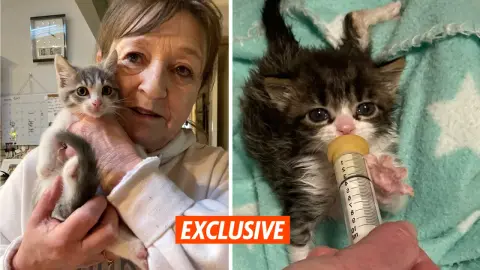
Meet the Australian Kitten Whisperer Who Has Rescued More Than 300 Abandoned Cats

Did a hawk take his cat? A North Park man thinks the video has the answer
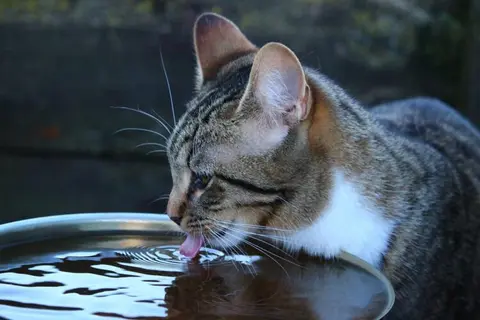
Why it's worth keeping an eye on how much your older cat drinks