
The Brisbane suburbs where swooping birds cause the most trouble
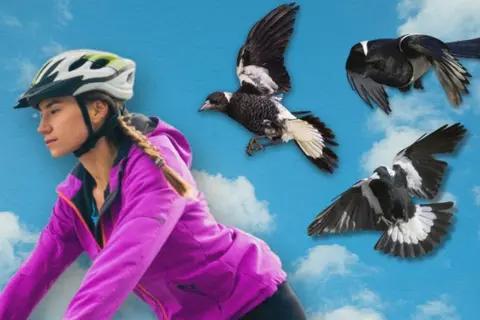
From magpies to plovers, Brisbane City Council received 311 reports about swooping birds over the past 12 months.
The figure covers reports rather than incidents, so it is a measure of how often residents contacted the council about birds, not of how many people were actually struck. Even so, it gives a sense of scale, and the clustering in specific suburbs suggests the reports are driven by a relatively small number of birds in a relatively small number of territories.
Coorparoo heads the list of worst suburbs in Brisbane for bird swooping over the breeding season, new data reveals.
Brisbane City Council received 311 reports of swooping birds from magpies to plovers over the past 12 months.
Most of these were reported during the breeding months of September and October, the council said.
The timing is not random. Swooping is a nesting defence behaviour: it peaks when eggs or chicks are in the nest and stops once the young have fledged. That is why the reports concentrate in a window of a few weeks each year, and why the same bird can be unremarkable for most of the year and then difficult to live near during spring.
As well as Cooraroo, Carindale and Runcorn were named as top hotspots - marking a shift south from last year's top three suburbs for swooping; New Farm, Brighton and Forest Lake.
A shift in the hotspot list from one year to the next is expected rather than surprising. Swooping reports track where individual birds have established territories, and territories change as birds die, move or are displaced. Suburbs that appear one year and drop off the next are usually reflecting a change in which birds are nesting where, not a change in the overall population.
Magpies are the bird most often reported, but they are not the only ones. Masked lapwings, often called plovers, nest on open ground including sports ovals, roundabouts and parkland, and will dive at anything they read as a threat to their chicks. Other species, including butcherbirds and currawongs, appear in swooping reports as well. The behaviour is essentially the same across species: a parent defending a nest.
Last year 18 birds were relocated to protect residents, the council said.
"Brisbane's wildlife is part of what makes our city such a great place to live, and spring is when some native birds become more protective of their nests," Lord Mayor Adrian Schrinner said in a statement.
"If you come across a swooping bird, report it to us so we can monitor the area and install warning signs to help keep people safe."
Schrinner said residents can reduce the risk of being swooped by avoiding known hotspots, staying calm and wearing a hat or carrying an umbrella.
Only a minority of magpies swoop at all, and of those, it is mainly the males. That is worth knowing because it explains the standard advice: the behaviour is defensive and directed at perceived threats, and birds that are watched tend to be less likely to strike. Walking calmly rather than running, and keeping a hat or umbrella between you and the bird, addresses the behaviour directly rather than escalating it.
Cyclists are the group most often caught out, because a bike moves faster than a pedestrian and leaves the rider's head exposed. The common mitigations are practical: dismount and walk through a known territory, wear a helmet, or attach something flexible to it such as cable ties or a flag that sits above the head. Some riders mark their helmet with eyes, on the same principle that watching a bird deters it.
"A little extra awareness can help you avoid an unwelcome encounter while enjoying our parks, bikeways and suburbs," he said.
Residents should avoid deliberately provoking birds, destroying nests, feeding or trying to "befriend" swooping birds, the council said in a statement.
The instruction not to interfere with nests is not merely advice. Native birds are protected, and destroying a nest or harming a bird without authorisation carries penalties. That constraint shapes what a council can do: removal and relocation is the option of last resort, applied to individual birds assessed as a genuine risk rather than to whole populations.
Relocation also has limits. Magpies are territorial and long-lived, and a removed bird leaves a territory that another magpie will often take over, which is why councils combine it with signage and monitoring rather than treating removal as a permanent fix.
In 2021, a baby died after an incident involving a swooping magpie at a Brisbane park.
Paramedics said the infant girl was critically injuries after her mother tripped and fell while trying to avoid the bird on Sunday afternoon at Glindemann Park in Holland Park West.
Most swooping encounters end without contact or with nothing worse than a scratch. The serious outcomes, when they occur, usually come from the secondary effect: a cyclist swerving into traffic, a person falling while running, or an injury to the eye. That is the reasoning behind taking the behaviour seriously rather than dismissing it, and behind reporting birds so warnings can go up in the places where nesting is known.
Reporting matters more than it might appear. Councils use the reports to map where nesting birds are active, decide where warning signs go, and identify the small number of individual birds that warrant intervention. A report that includes the location and the species is more useful than one that does not, because the response is targeted at a specific territory rather than at birds in general.
Australia's magpie swooping season occurs between July and December, with a peak in September.
None of this makes encounters pleasant for the person on the receiving end, and residents who live beside an active nest for six weeks can find it genuinely disruptive. The council's position is that the birds are part of the city's fauna and are present year-round, so the aim is to manage a few weeks of defensive behaviour rather than to remove the animals. For most people that means planning around it: taking a different route during the nesting window, and knowing that the behaviour stops once the chicks have left the nest.
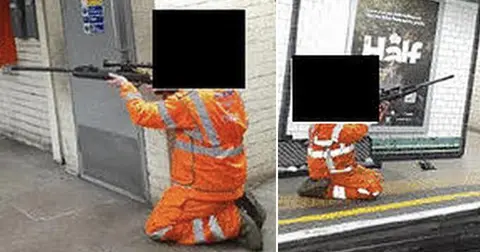
At least 655 pigeons shot at London Tube stations during a cull
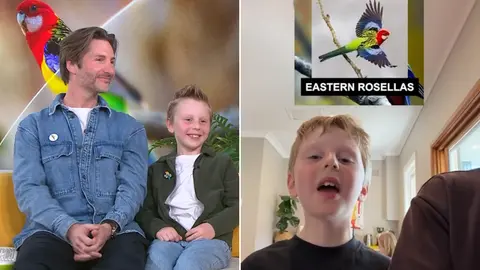
The seven-year-old behind the viral bird calls reveals what's next
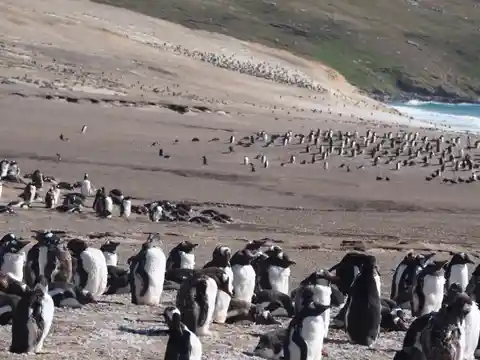
What a trip to the Falklands taught me about penguins
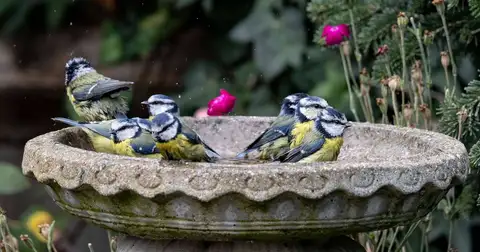
One simple change will keep small birds coming to your birdbath all summer
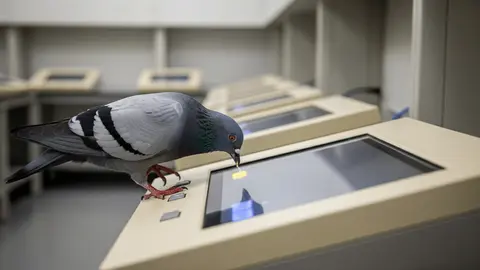
Pigeons cracked a problem built to defeat rule-followers, and it says something about AI

Florence County Library brings in an exotic animal rescue