
Point Defiance Zoo closes its puffin habitat after three birds die
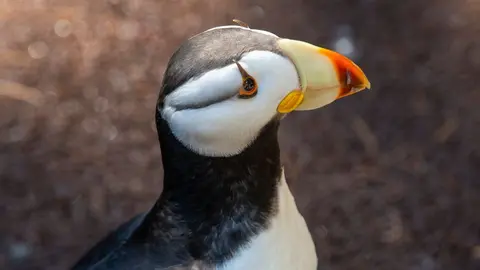
TACOMA, Wash. -- Point Defiance Zoo & Aquarium has temporarily closed its outdoor puffin habitat while investigating the recent deaths of three tufted puffins that may have been infected with avian psittacosis, an infectious disease caused by the bacterium Chlamydia psittaci.
What prompted the closure
Preliminary findings indicate the birds may have had the disease, also known as avian chlamydiosis, parrot fever, or ornithosis, the zoo said Tuesday. PCR testing is underway to confirm the cause of death.
No active human cases of psittacosis associated with the zoo have been identified, Zoo officials said.
Understanding psittacosis
Psittacosis is a zoonotic disease — meaning it can pass from animals to people — caused by the bacterium Chlamydia psittaci. It is most often associated with parrots and other birds, but it can affect a wide range of avian species, including seabirds kept in zoological collections. Infected birds do not always appear ill; they can carry the bacterium and shed it intermittently, particularly when stressed by transport, crowding, or changes in their environment. That silent carriage is one reason a collection can look healthy and then lose birds quickly.
How the bacteria spread
According to the Washington State Department of Health, people can become infected by breathing dust contaminated with dried bird droppings or respiratory secretions from infected birds.
The organism is hardy once dried. Dust raised from droppings, bedding, or feathers can remain infectious in the environment for extended periods, which is why thorough cleaning and decontamination — not simply removing visible waste — is central to controlling an outbreak. The same property explains the emphasis on respiratory protection for anyone working inside an affected enclosure.
Symptoms and incubation
Symptoms typically develop five to 14 days after exposure and may include fever, chills, headache, muscle aches, fatigue, dry cough, shortness of breath, or pneumonia.
At the same time, person-to-person transmission is considered very rare.
Anyone who develops a fever or respiratory illness in the window after a visit and is concerned about possible exposure is generally advised to contact a healthcare provider and mention the exposure, because psittacosis is treatable but can be missed without that history.
Why confirmed testing matters
Preliminary findings are not the same as a confirmed diagnosis. PCR testing is used because it detects the genetic material of the bacterium directly, allowing veterinarians to distinguish psittacosis from other causes of sudden loss in birds, which can include unrelated bacterial infections, toxins, or environmental problems. Confirming the cause matters for more than record-keeping: it determines how long treatment should continue, how aggressive decontamination needs to be, and when it is genuinely safe to bring visitors back.
How the zoo is responding
As a precaution, the pathway to the outdoor puffin aviary and the aviary itself have been closed. The habitat is home to tufted puffins, horned puffins, and murres.
Guests can still view puffins and sea otters through the underwater viewing area.
Treatment and protective measures
The remaining puffins are being treated with antibiotics.
Animal care staff are using enhanced personal protective equipment, including respiratory protection, gloves, disposable boot coverings, and disinfecting foot baths while caring for the birds.
Layering protective equipment — respiratory protection, gloves, disposable boot covers and disinfecting foot baths — is designed to stop the bacterium from hitching a ride out of the enclosure on clothing, boots, or hands, and to protect the staff who are handling birds that may still be shedding.
Cleaning and reopening
The zoo also plans to thoroughly clean and decontaminate the aviary before reopening it.
The habitat will remain closed until zoo veterinarians and public health partners determine it is safe to reopen.
What visitors should know
The risk to visitors is believed to be low, but the zoo advised anyone who visited the outdoor puffin habitat in recent weeks to monitor for symptoms, the zoo said.
Closures of this kind are precautionary. Keeping guests away from an enclosure while test results are pending and while treatment is under way costs the zoo a popular exhibit, but it removes any chance of ongoing exposure while the situation is still uncertain.
Managing disease risk in a mixed collection
Zoos plan for outbreaks of this kind in advance. Birds from different collections, different climates and different species are housed in close proximity, and routine quarantine, health screening and daily observation by keepers are the first lines of defence. When something unusual appears — a bird off its food, unusually quiet, or found dead without explanation — the response is to isolate, test and treat rather than wait for a pattern to emerge. Working with public health partners is also standard practice when the organism involved is one that can cross to people, because the people most exposed are usually the staff handling the animals rather than the visiting public.
The birds in the habitat
The habitat houses tufted puffins alongside horned puffins and murres. Puffins are pursuit divers that use their wings to fly underwater in search of small fish, and murres are similarly streamlined diving birds; both groups nest in dense colonies on cliffs or offshore rocks. Keeping cold-water diving seabirds in a managed setting requires chilled water, carefully managed nesting space, and diets built around whole fish — conditions that make the birds sensitive to any disruption in their enclosure routine.
Tufted puffins in particular are a species of conservation interest in parts of their range, where colony declines have been linked to changes in prey availability and to mortality at sea. That is part of why institutions keep and breed them: a managed population serves as both an educational resource and a safeguard.

At least 655 pigeons shot at London Tube stations during a cull

The seven-year-old behind the viral bird calls reveals what's next
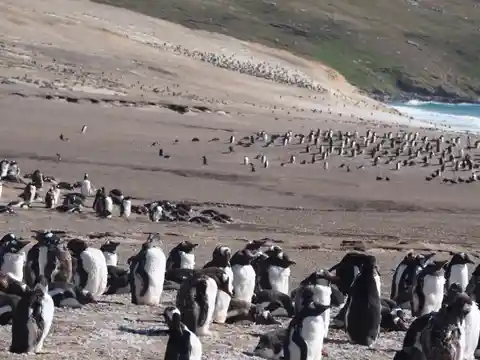
What a trip to the Falklands taught me about penguins
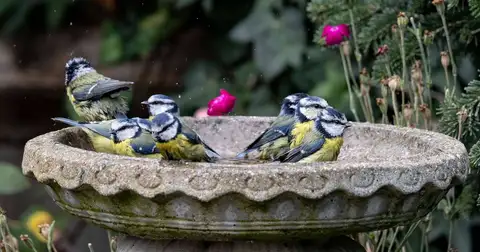
One simple change will keep small birds coming to your birdbath all summer
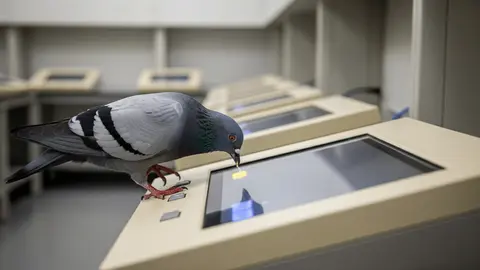
Pigeons cracked a problem built to defeat rule-followers, and it says something about AI

Florence County Library brings in an exotic animal rescue